When something won’t leave your head — this gives you a way to actually process it.
A structured, therapist-informed exercise to help you move through stuck thoughts, conversations, and emotional activation using EMDR-based techniques.
You know that feeling when something keeps replaying?
A conversation. A moment. Something you said or should have said?
You’ve already thought about it. A lot. Maybe you can’t stop thinking about it.
And still, you don’t feel better. There is no change.
EMDR isn’t about more insight.
It’s about giving your body a way to actually process what your brain can’t let go of.
What this is
This is a guided, step-by-step exercise based on EMDR principles that helps you:
process low-to-moderate emotional activation
move through thoughts that feel “stuck”
reconnect with your body in a structured, contained way
reduce the intensity of something that keeps replaying
It’s designed to be simple, contained, and usable in under 15 minutes.
This is for you if:
you keep replaying a conversation or situation
something feels “off” but not overwhelming
you’re stuck between overthinking and avoiding
you want a structured way to process something on your own
you’re in therapy and want something to use between sessions
This is NOT for:
recent or highly distressing trauma
situations where you feel overwhelmed, shut down, or out of control
replacing therapy with a licensed clinician
This is a supportive tool — not a substitute for therapy.
What’s inside
a clear, therapist-guided EMDR-inspired process
multiple options for bilateral stimulation (so you can choose what works for you)
grounding tools to help you stay regulated
structured prompts to guide your attention and awareness
reflection space to notice shifts
What you might notice
People often experience:
A note from me
As a trauma therapist, I created this for the moments that don’t quite require a full session — but also don’t resolve on their own.
This is for the in-between.
Use it slowly. Stay within your window. And take care of yourself as you go.
Please note that this digital guide is not a replacement for professional therapy or a therapeutic relationship. Although I am a therapist, I am not your therapist unless we are currently working together. Explore therapy with me here.
Start here if you’re not ready for therapy, but know something needs to shift.
When something won’t leave your head — this gives you a way to actually process it.
A structured, therapist-informed exercise to help you move through stuck thoughts, conversations, and emotional activation using EMDR-based techniques.
You know that feeling when something keeps replaying?
A conversation. A moment. Something you said or should have said?
You’ve already thought about it. A lot. Maybe you can’t stop thinking about it.
And still, you don’t feel better. There is no change.
EMDR isn’t about more insight.
It’s about giving your body a way to actually process what your brain can’t let go of.
What this is
This is a guided, step-by-step exercise based on EMDR principles that helps you:
process low-to-moderate emotional activation
move through thoughts that feel “stuck”
reconnect with your body in a structured, contained way
reduce the intensity of something that keeps replaying
It’s designed to be simple, contained, and usable in under 15 minutes.
This is for you if:
you keep replaying a conversation or situation
something feels “off” but not overwhelming
you’re stuck between overthinking and avoiding
you want a structured way to process something on your own
you’re in therapy and want something to use between sessions
This is NOT for:
recent or highly distressing trauma
situations where you feel overwhelmed, shut down, or out of control
replacing therapy with a licensed clinician
This is a supportive tool — not a substitute for therapy.
What’s inside
a clear, therapist-guided EMDR-inspired process
multiple options for bilateral stimulation (so you can choose what works for you)
grounding tools to help you stay regulated
structured prompts to guide your attention and awareness
reflection space to notice shifts
What you might notice
People often experience:
A note from me
As a trauma therapist, I created this for the moments that don’t quite require a full session — but also don’t resolve on their own.
This is for the in-between.
Use it slowly. Stay within your window. And take care of yourself as you go.
Please note that this digital guide is not a replacement for professional therapy or a therapeutic relationship. Although I am a therapist, I am not your therapist unless we are currently working together. Explore therapy with me here.
Start here if you’re not ready for therapy, but know something needs to shift.


 Image 1 of 6
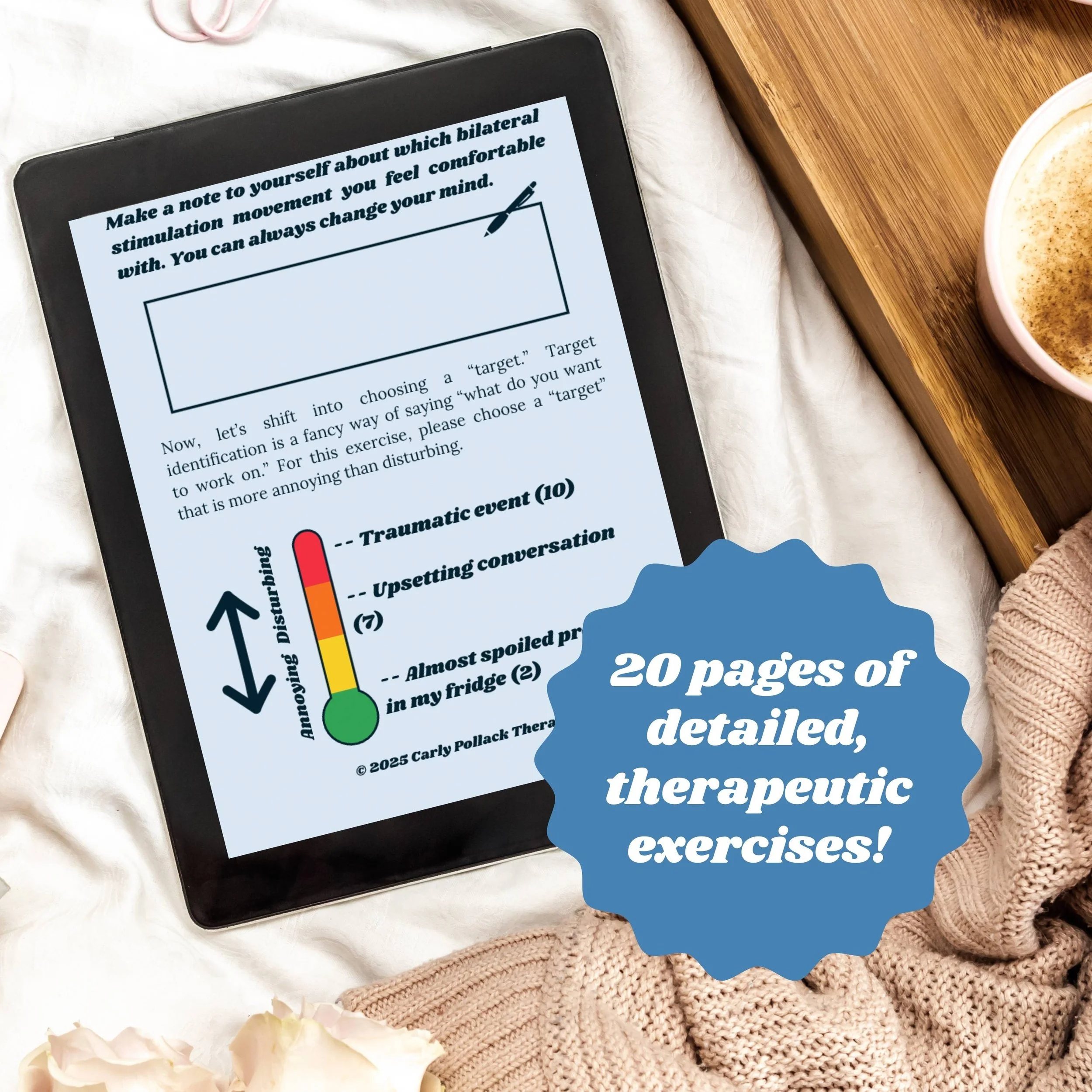 Image 2 of 6
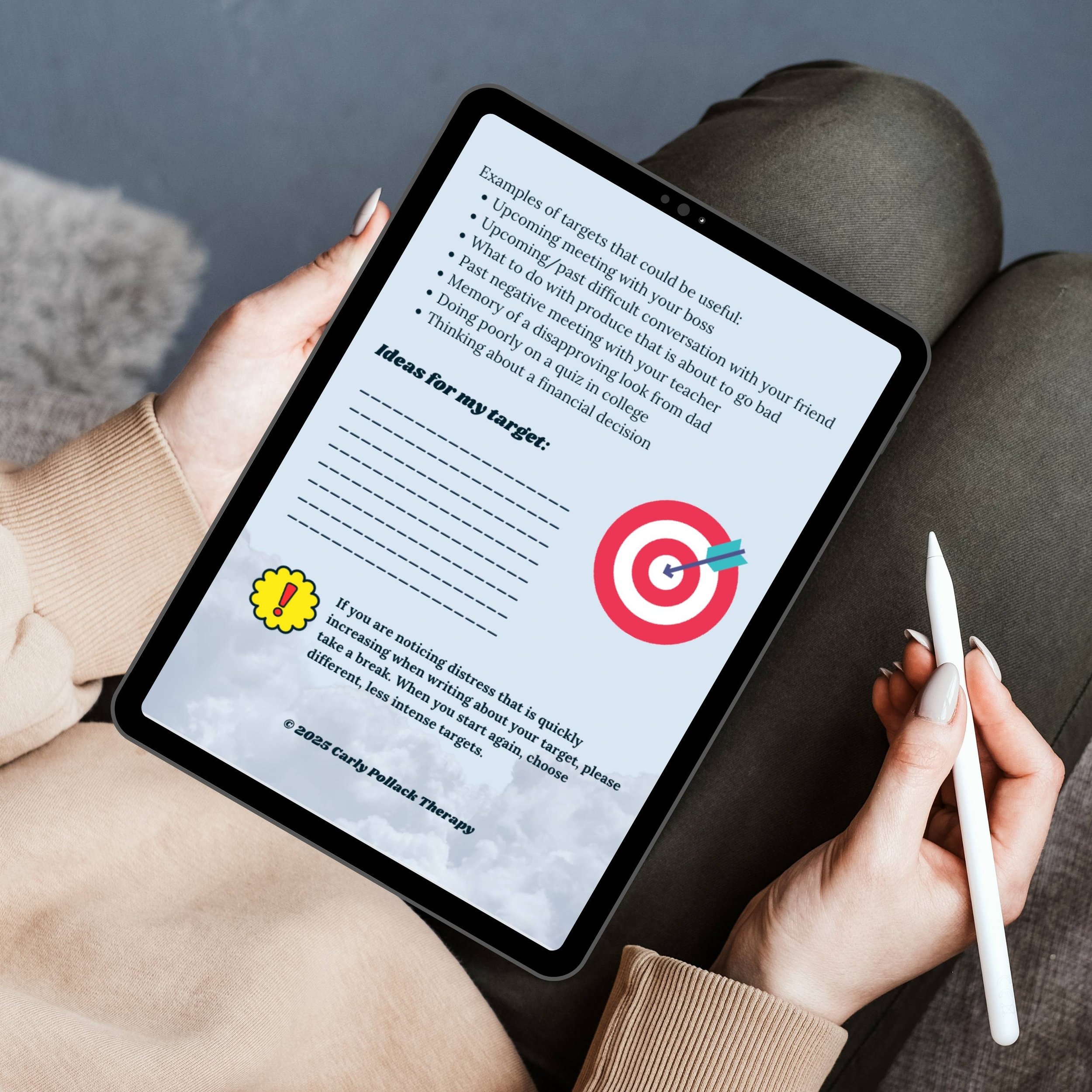 Image 3 of 6
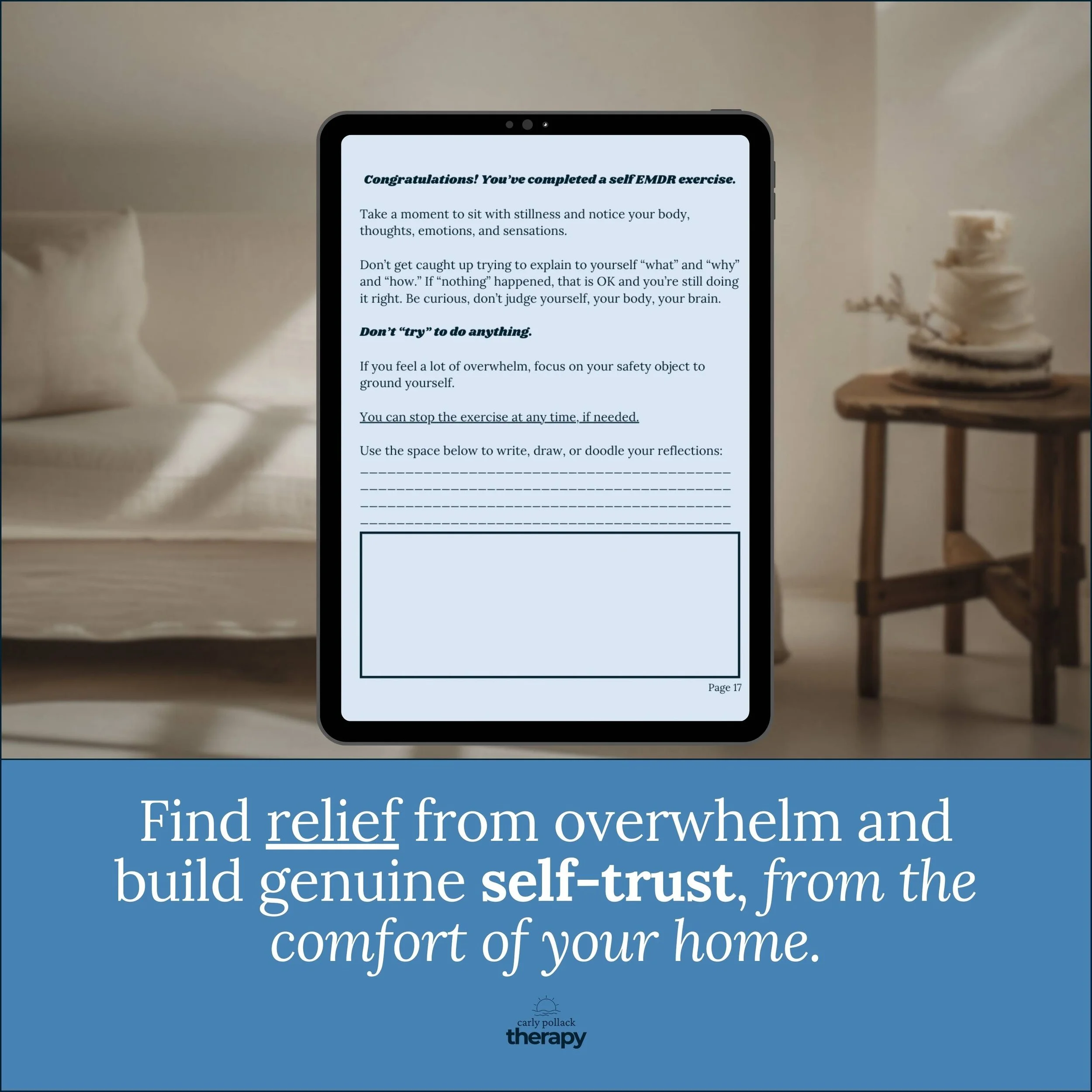 Image 4 of 6
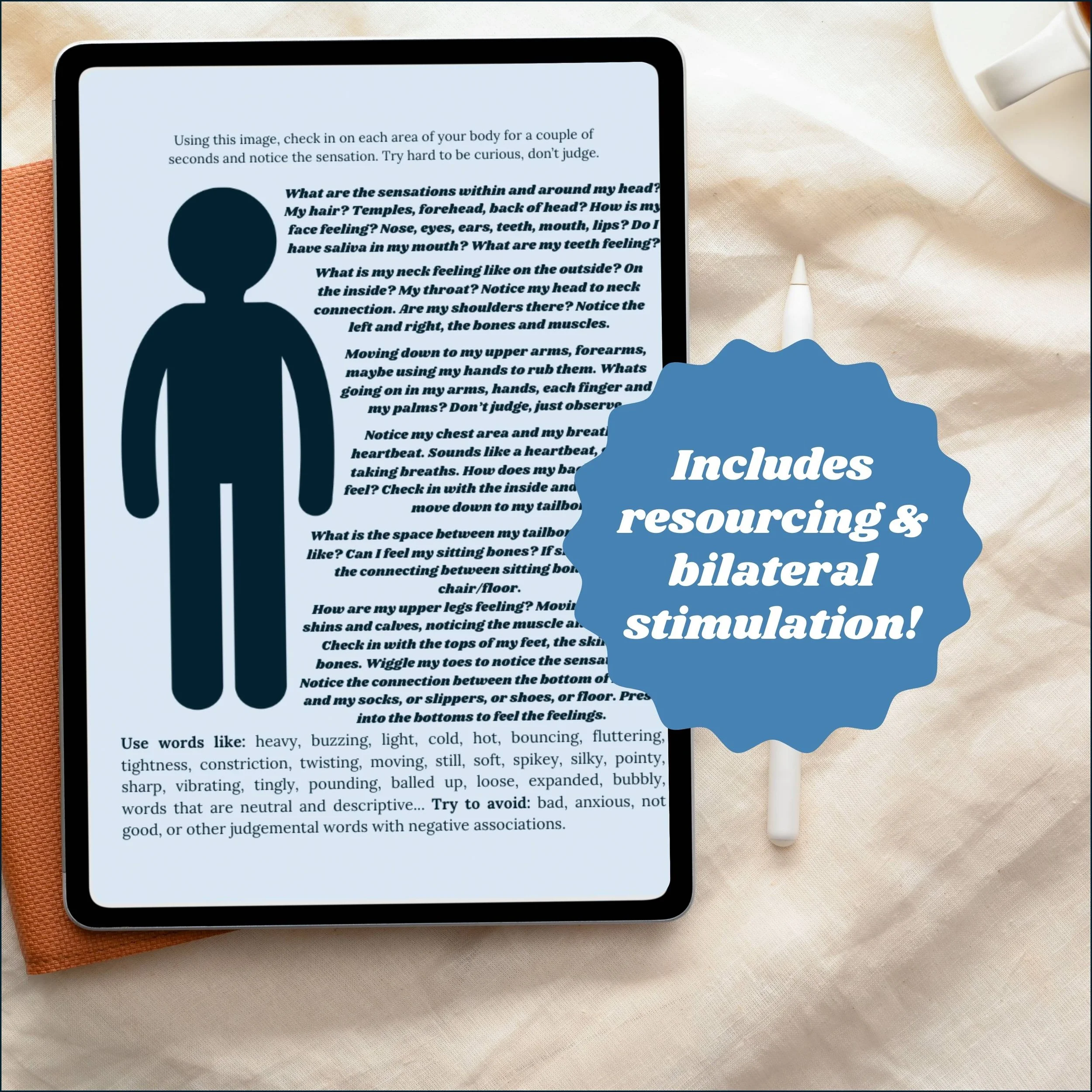 Image 5 of 6
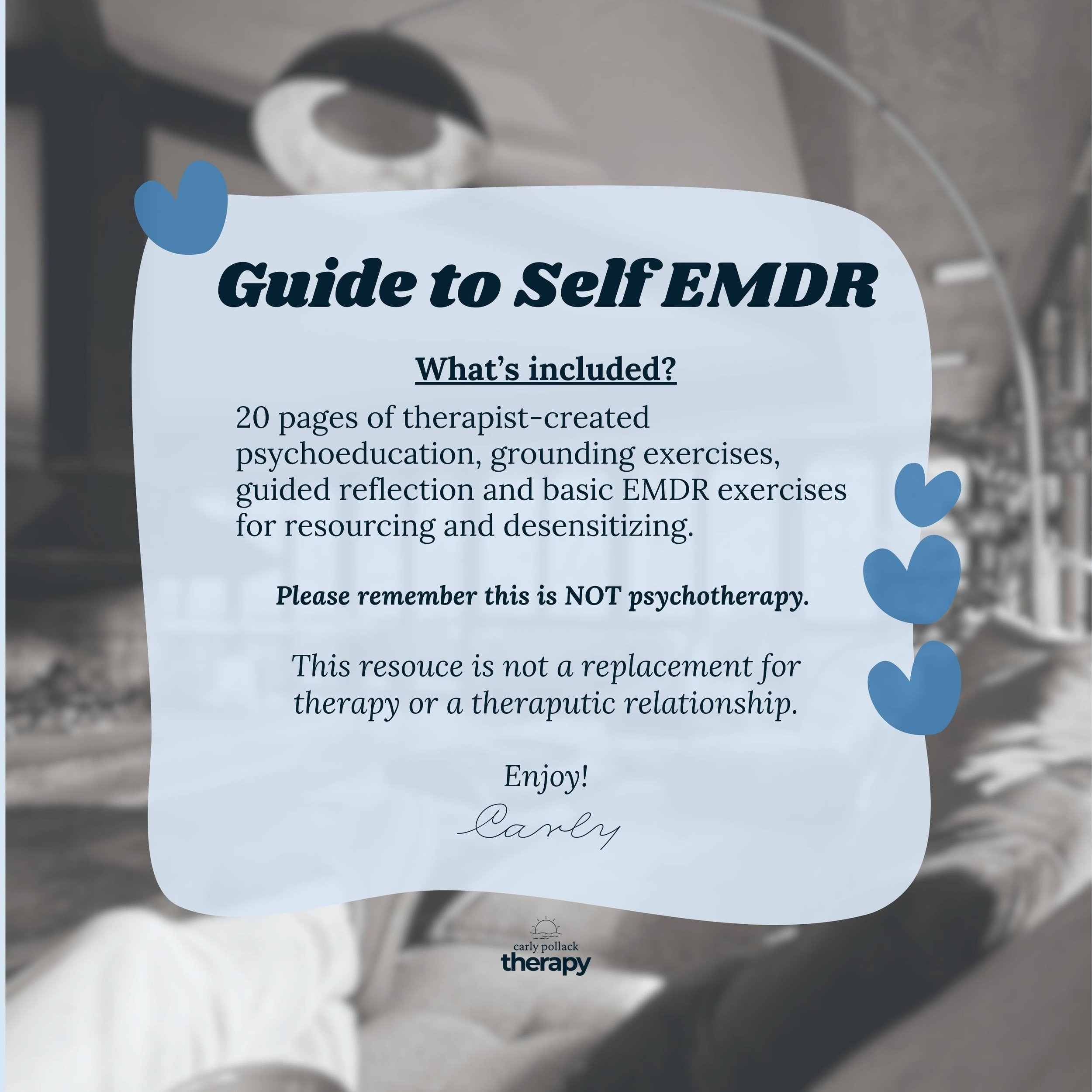 Image 6 of 6